

This required introductory course covers the fundamentals of 3D printing and is necessary to gain access to the 3D printer in the makerspace. By the end of this module, you’ll understand the core concepts of 3D printing and be equipped with the knowledge to safely create your first print.
1984 – Stereolithography (SLA) Invented:
Charles "Chuck" Hull invents SLA, the first 3D printing technology, using UV lasers to cure liquid resin layer by layer.
1986 – 3D Systems Founded:
Hull co-founds 3D Systems, marking the beginning of commercial 3D printing.
1989 – Fused Deposition Modeling (FDM) Invented:
Scott Crump invents FDM, extruding thermoplastic filament layer by layer. He co-founds Stratasys, which becomes a major player in 3D printing.
Commercialization Begins:
3D printing begins moving from research labs to industrial use for rapid prototyping. Companies like 3D Systems and Stratasys bring machines to market.
Industrial Adoption Grows:
3D printing use spreads to aerospace, automotive, and healthcare for more than just prototyping.
New Materials:
Metals, ceramics, and composites broaden the scope of printable objects.
2008 - Medical Milestone:
The first 3D-printed prosthetic limb showcases custom, affordable healthcare applications.
Part of Industry 4.0:
3D printing integrates into smart, digital manufacturing systems.
Consumer & Desktop 3D Printing Booms:
Open-source projects like RepRap and platforms like Thingiverse democratize access to 3D printing.
Online 3D Printing Services Rise:
Services like Shapeways and i.materialise make it easy to upload and print designs.
Education & Hobbyist Use Expands:
Schools, makerspaces, and home users embrace 3D printing for STEM learning and creative projects.
Materials & New Frontiers:
Development of biocompatible, food-safe, and recycled materials, as well as concrete for printed homes.
New Applications Emerge:
3D printing now used in construction, fashion, bioprinting, and aerospace part manufacturing.
AI & Automation Integration:
Machine learning and automation optimize print quality, material use, and design workflows.
Understanding key components of a 3D printer is essential for grasping how the printing process works. Each component plays a vital role in transforming digital designs into physical objects. The following section breaks down these critical elements and their functions. Additionally, you can view and download a PDF of the parts labelled HERE.
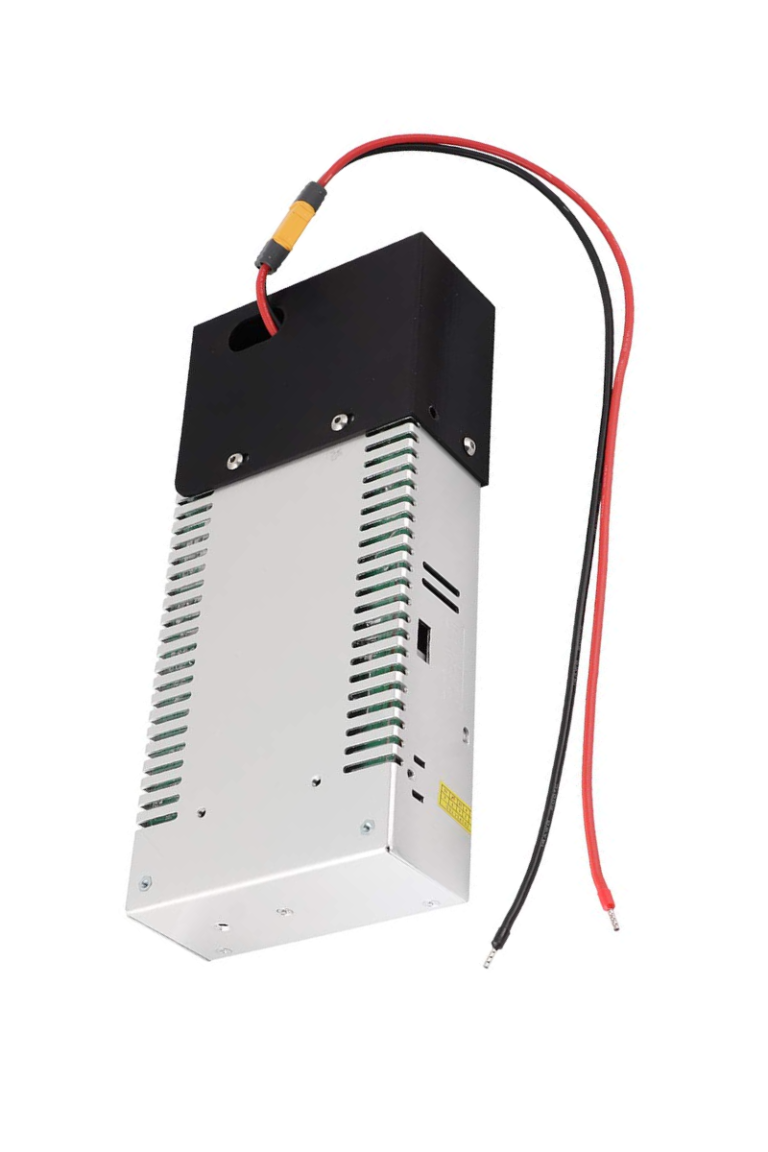
Converts electrical power from the wall into usable voltage for the printer.
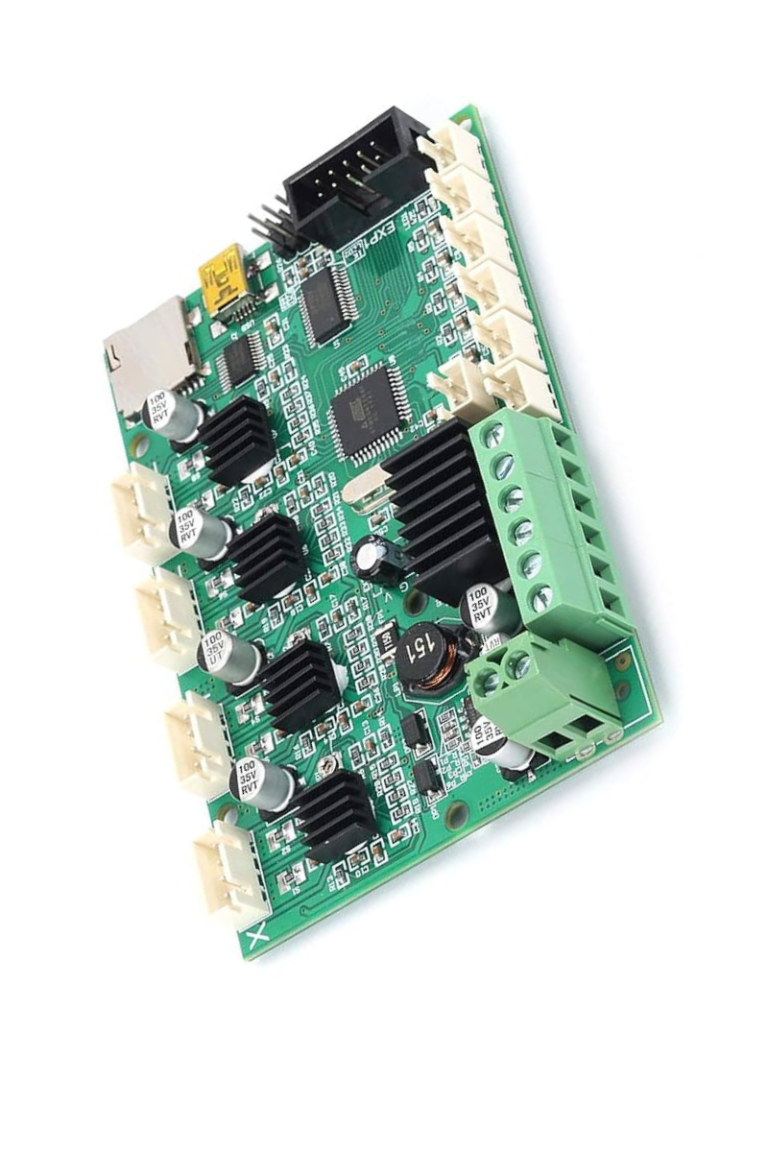
Acts as the brain of the printer, managing movement, temperatures, and inputs.

The surface where the 3D object is built layer by layer.
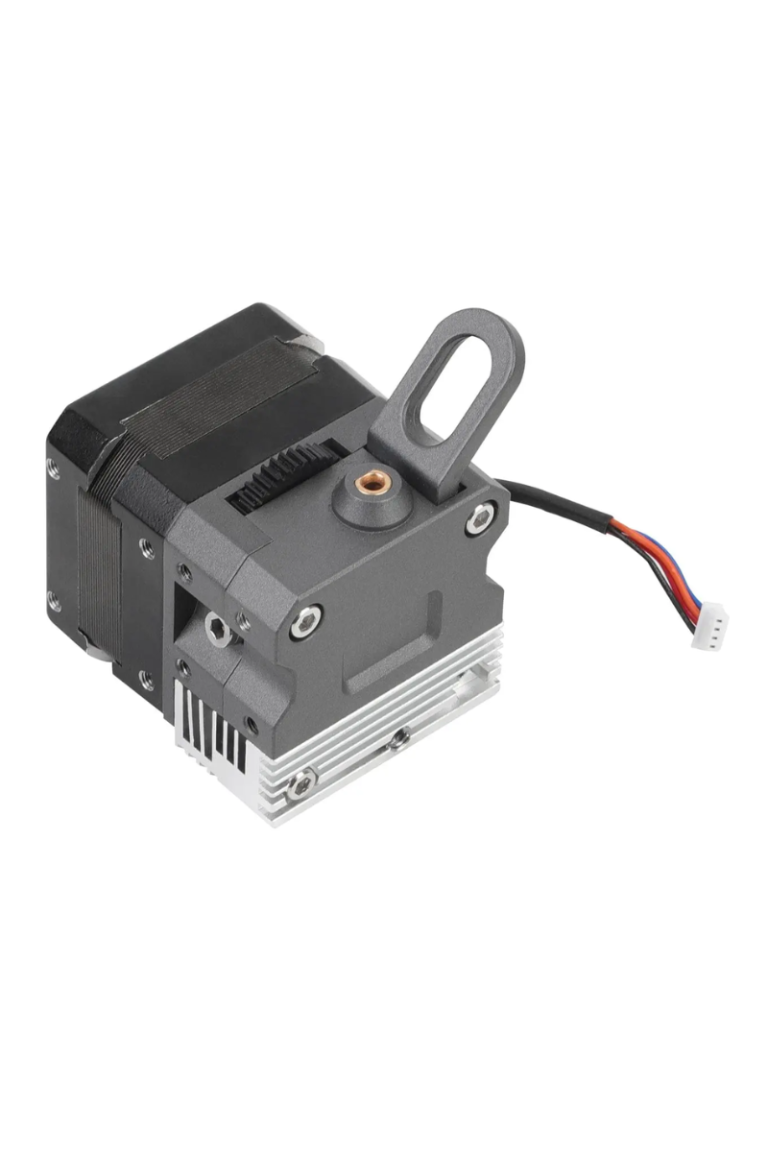
Feeds filament into the hotend for melting and printing.
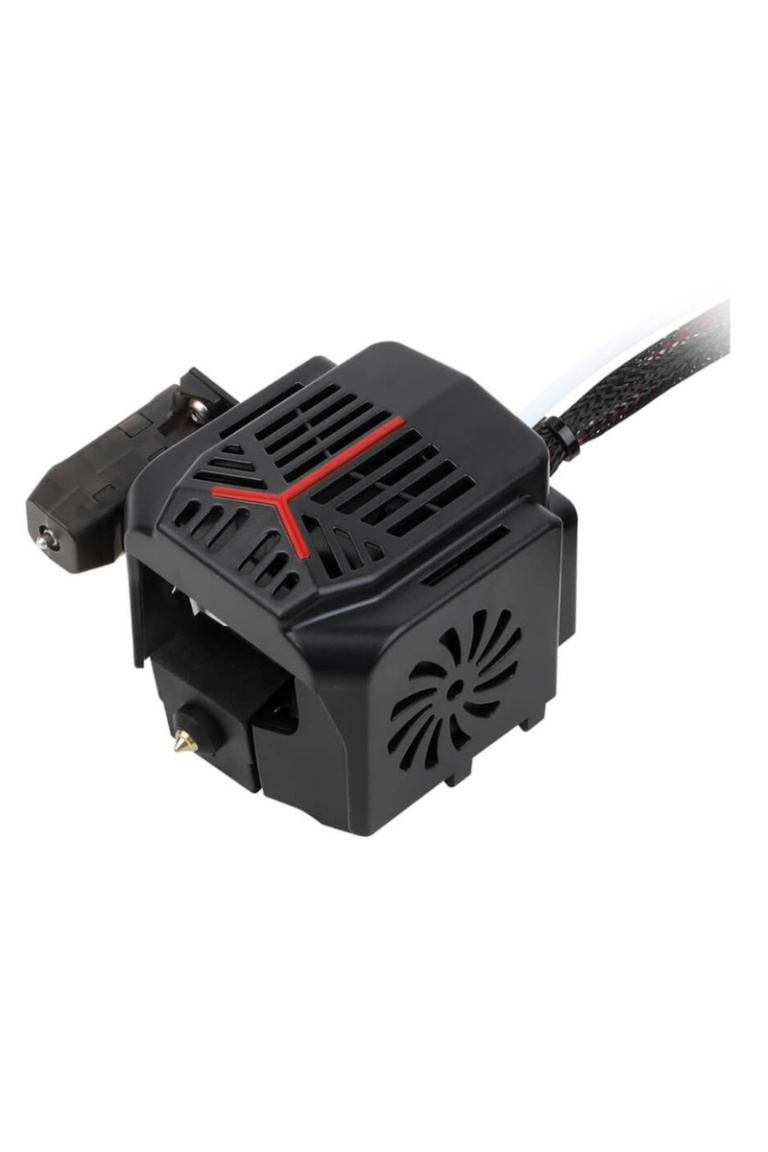
Heats and melts the filament so it can be precisely deposited.
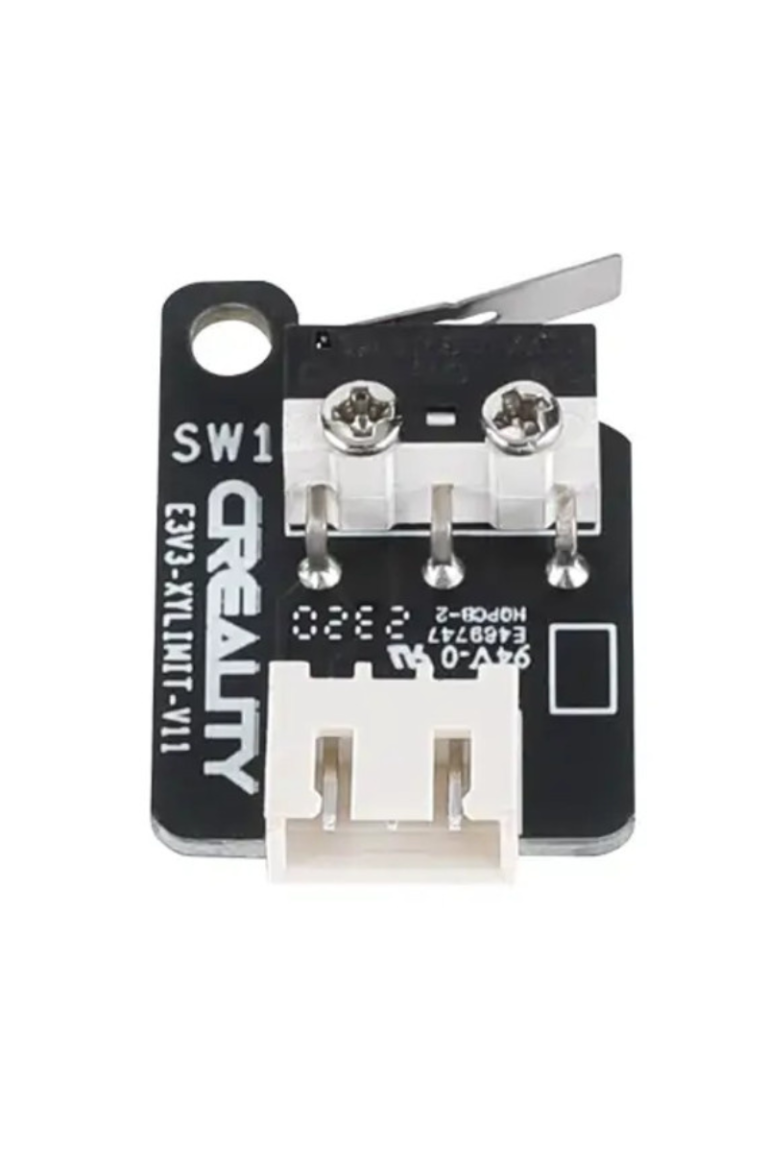
Detect the limits of movement to help the printer calibrate its position.
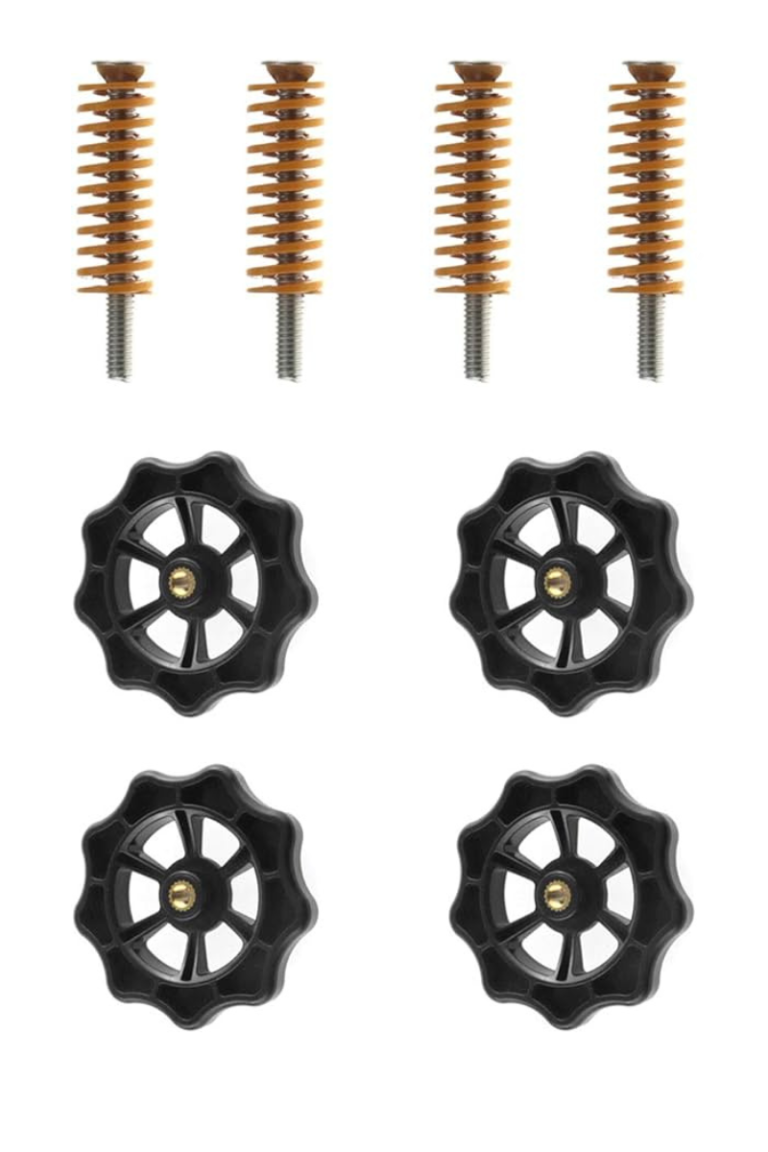
Allow manual adjustment of the print bed to ensure it's level.
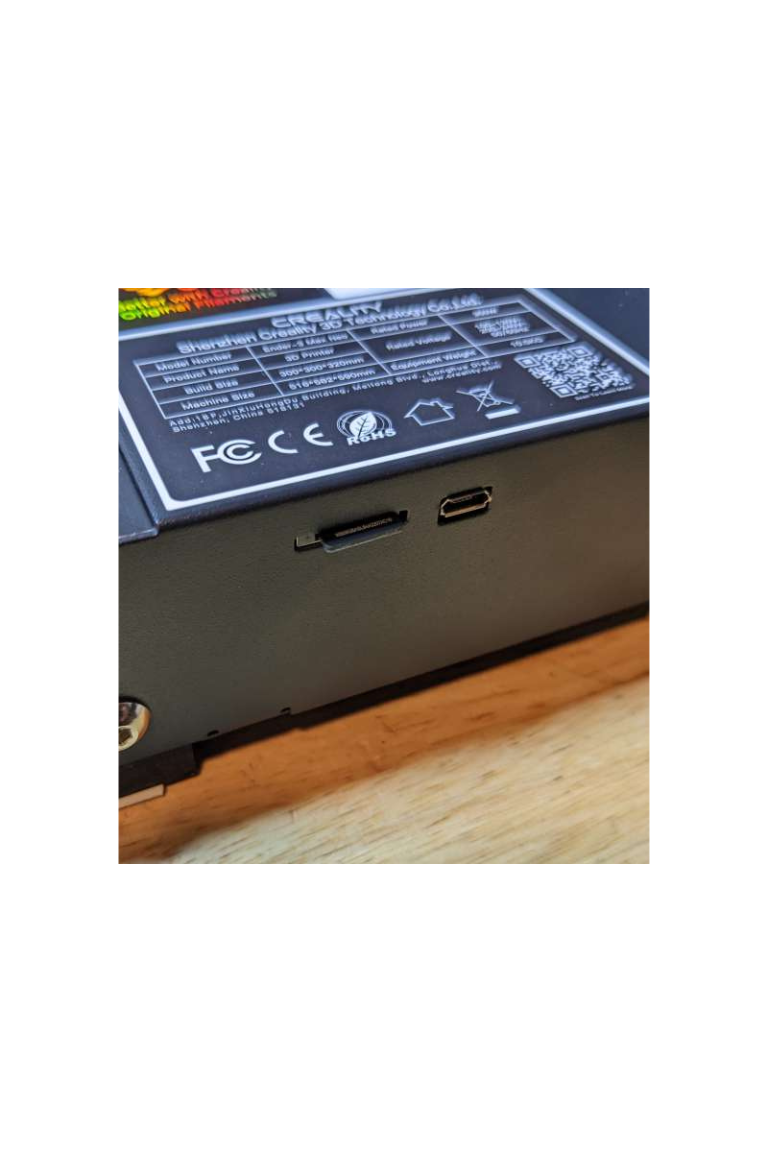
Enable loading print files from external storage devices.
1. PLA (Polylactic Acid)
2. ABS (Acrylonitrile Butadiene Styrene)
3. PETG (Polyethylene Terephthalate Glycol-modified)


Printing time can vary greatly. It ranges from a few hours for small objects to several days for larger or complex designs. Here’s what affects the time:

Let’s quickly sum up our 3D printing journey!
Now, you’re all set to dive into the next step toward creating your own 3D object!
KNOWLEDGE CHECK:
To ensure everyone uses the 3D printer safely and responsibly, completing this short quiz is mandatory before you’re able to book printer time.
Loading event details…
Putman Family YWCA
52 Ottawa Street North
Hamilton ON 1A1 1A1
Lorem ipsum dolor sit amet, consectetur adipiscing elit, sed do eiusmod tempor incididunt ut labore et dolore magna aliqua.
SCAN FOR MORE INFORMATION OR TO REGISTER IF APPLICABLE:

Tap “Get Started” under:
These will take you to tools that help you discover what you’re looking for.
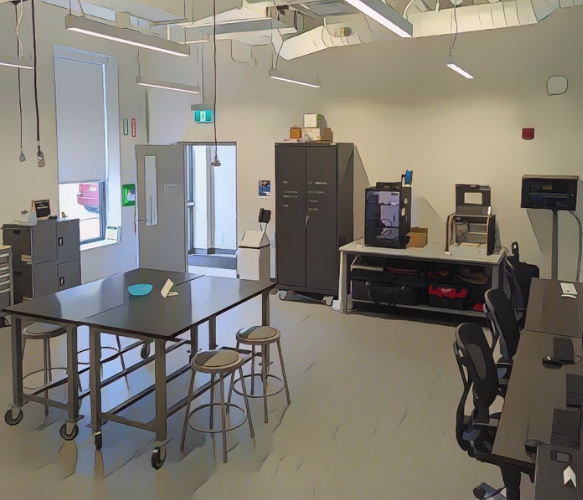
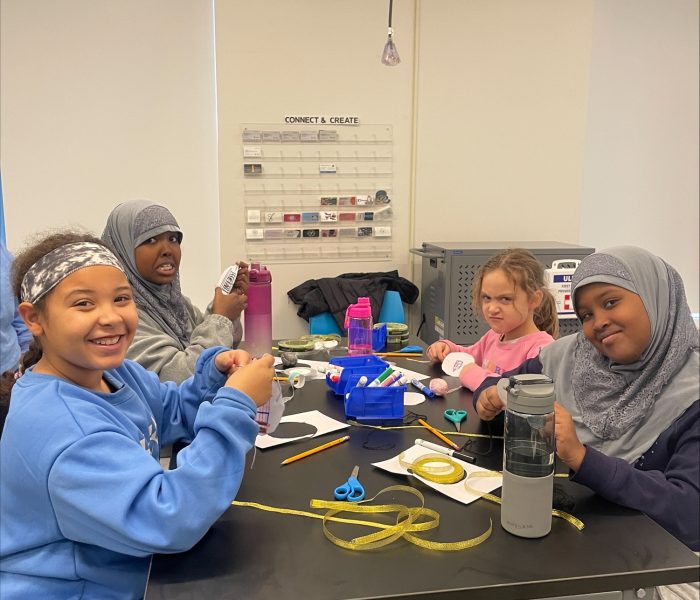

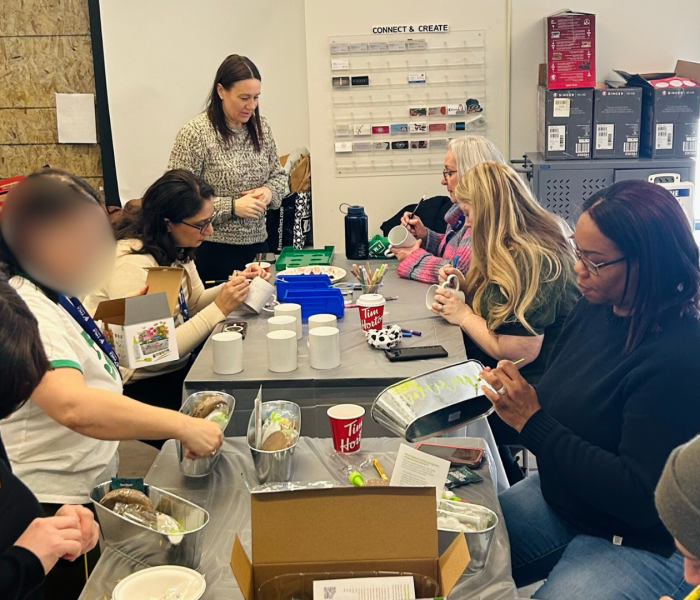

Putman Family YWCA MakerSpace
52 Ottawa Street North,
Hamilton ON
In id cursus mi pretium tellus duis convallis.